Fungicides

Fungicides
Fungicides

Introduction

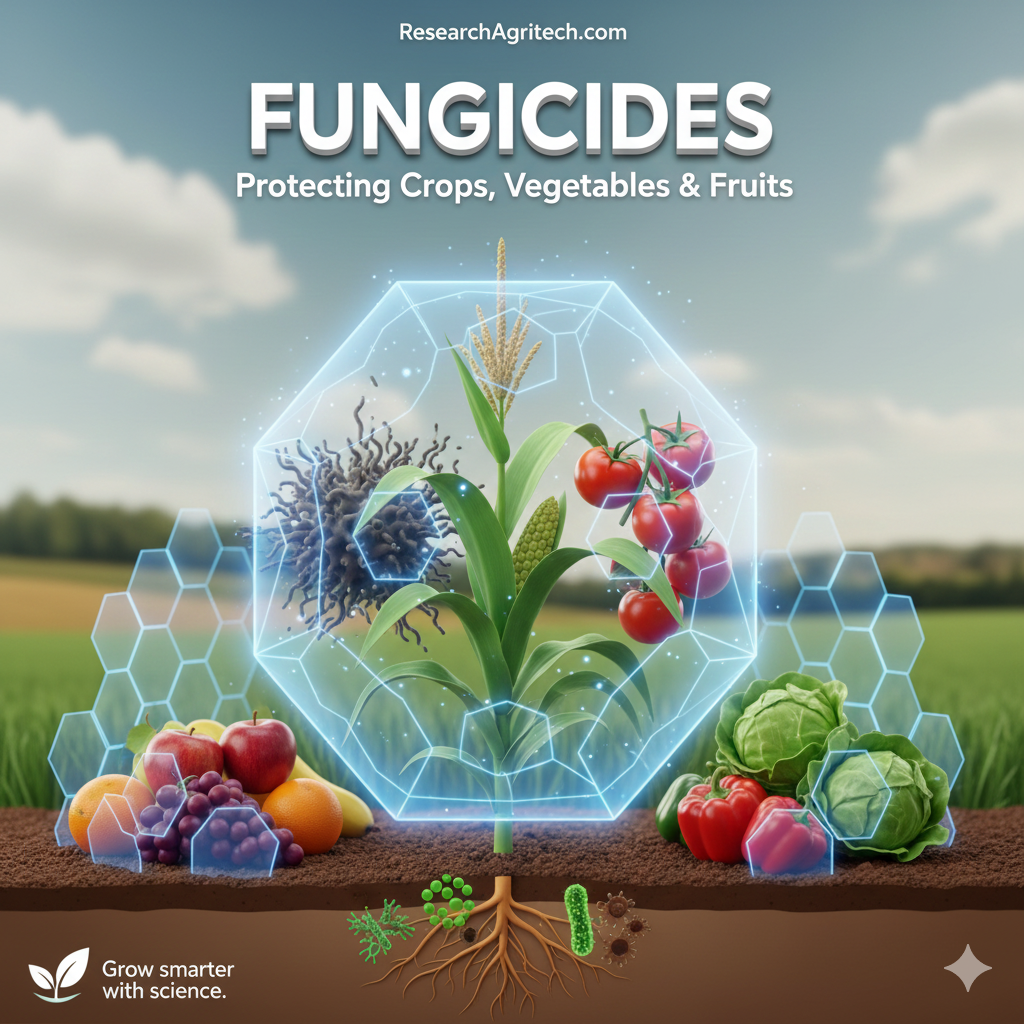
Fungal diseases are among the most destructive factors affecting crop yield and quality. Common fungal infections such as powdery mildew, blight, rust, and leaf spot can significantly reduce production. Proper use of fungicides—bio, botanical, or chemical—helps farmers protect crops, improve yield, and maintain plant health while supporting sustainable and eco-friendly farming practices.


Types of Fungicides

  1. Systemic Fungicides – Absorbed by plants and control internal infections.

  2. Contact Fungicides – Stay on the plant surface; prevent spore germination.

  3. Protectant Fungicides – Applied before infection to prevent fungal growth.

  4. Curative Fungicides – Treat active fungal infections in crops.

  5. Bio Fungicides – Derived from microbes; safe for environment.

  6. Botanical / Plant-Based Fungicides – Made from plant extracts; eco-friendly.

  7. Chemical / Synthetic Fungicides – Rapid-acting man-made compounds.

  8. Copper-Based Fungicides – Used against blights and bacterial-fungal infections.

  9. Sulfur Fungicides – Effective for powdery mildew and rust.

  10. Combination Fungicides – Contain multiple active ingredients for broad-spectrum control.


Bio Fungicides

  1. Trichoderma harzianum – Controls soil-borne pathogens like Fusarium and Pythium

  2. Trichoderma viride – Effective against root rot and damping-off

  3. Bacillus subtilis – Protects against leaf spots and blights

  4. Pseudomonas fluorescens – Suppresses fungal pathogens in soil

  5. Gliocladium spp. – Controls soil-borne fungal diseases

  6. Paecilomyces lilacinus – Targets root-knot nematodes and fungi

  7. Penicillium spp. – Inhibits fungal pathogens in crops

  8. Saccharomyces cerevisiae – Reduces post-harvest fungal spoilage

  9. Beauveria bassiana – Controls fungal pathogens and insect pests

  10. Metarhizium anisopliae – Fungal control and insect suppression

  11. Streptomyces lydicus – Soil fungicide for damping-off

  12. Bacillus amyloliquefaciens – Controls powdery mildew and leaf spots

  13. Lecanicillium lecanii – Protects against aphids and fungal infections

  14. Clonostachys rosea – Controls Botrytis and other foliar fungi

  15. Verticillium lecanii – Fungal disease and pest suppression

  16. Saccharopolyspora spinosa – Reduces fungal growth

  17. Aspergillus spp. – Biocontrol agent for soil-borne pathogens

  18. Paenibacillus spp. – Suppresses soil fungi

  19. Enterobacter cloacae – Protects roots from pathogenic fungi

  20. Trichoderma koningii – Effective against Fusarium and Rhizoctonia


Plant Extract (Botanical) Fungicides

  1. Neem (Azadirachta indica) – Controls powdery mildew, rust, and blight

  2. Garlic Extract (Allium sativum) – Antifungal for leaf spots and rot

  3. Karanja Oil (Pongamia pinnata) – Reduces fungal infection on vegetables

  4. Turmeric Extract (Curcuma longa) – Prevents fungal growth

  5. Clove Oil (Syzygium aromaticum) – Controls fungal pathogens

  6. Eucalyptus Oil (Eucalyptus globulus) – Antifungal properties for leaves and fruits

  7. Cinnamon Extract (Cinnamomum verum) – Controls storage fungi

  8. Ginger Extract (Zingiber officinale) – Reduces fungal infection on seedlings

  9. Holy Basil (Ocimum sanctum) – Protects against leaf spot and rust

  10. Marigold Extract (Tagetes spp.) – Soil fungus suppression

  11. Aloe Vera Extract – Reduces fungal infection on fruits and leaves

  12. Lemon Grass Oil (Cymbopogon citratus) – Foliar fungal control

  13. Neem Seed Cake – Soil treatment for root rot fungi

  14. Onion Extract (Allium cepa) – Prevents post-harvest fungal growth

  15. Pepper Extract (Capsicum annuum) – Reduces fungal growth on crops


Chemical Fungicide Groups

  1. Triazoles – e.g., Propiconazole, Tebuconazole

  2. Strobilurins – e.g., Azoxystrobin, Pyraclostrobin

  3. Sulfur-Based Fungicides – Powdery mildew, rust

  4. Copper Compounds – Copper oxychloride, copper hydroxide

  5. Chloronitriles – e.g., Chlorothalonil

  6. Dithiocarbamates – e.g., Mancozeb, Zineb

  7. Benzimidazoles – e.g., Carbendazim

  8. Anilinopyrimidines – e.g., Pyrimethanil

  9. Phenylamides – e.g., Metalaxyl

  10. Quinone Outside Inhibitors (QoI) – e.g., Azoxystrobin

  11. Acylalanine – e.g., Dimethomorph

  12. Phthalimides – e.g., Captan

  13. Hydroxanilides – e.g., Fluopicolide

  14. Carboxamides – e.g., Boscalid

  15. Dicarboximides – e.g., Iprodione


40 Common Crop Fungal Diseases

  1. Powdery Mildew (Wheat, Cucurbits)

  2. Downy Mildew (Grapes, Cucurbits)

  3. Late Blight (Potato, Tomato)

  4. Early Blight (Tomato, Potato)

  5. Leaf Spot (Soybean, Wheat)

  6. Rust (Wheat, Barley)

  7. Anthracnose (Chilli, Tomato)

  8. Fusarium Wilt (Tomato, Cotton)

  9. Verticillium Wilt (Cotton, Tomato)

  10. Alternaria Blight (Mustard, Tomato)

  11. Stem Rot (Chilli, Soybean)

  12. Collar Rot (Chilli, Soybean)

  13. Bacterial-Fungal Spot (Tomato, Pepper)

  14. Downy Leaf Blight (Maize)

  15. Phytophthora Rot (Potato, Tomato)

  16. Botrytis Grey Mold (Tomato, Grapes)

  17. Sclerotinia Rot (Sunflower, Tomato)

  18. Leaf Blight (Maize, Sorghum)

  19. Powdery Scab (Potato)

  20. Rust (Soybean, Wheat)

  21. Brown Spot (Rice, Wheat)

  22. Smut Disease (Maize, Wheat)

  23. Karnal Bunt (Wheat)

  24. White Mold (Beans)

  25. Black Rot (Cabbage, Crucifers)

  26. Downy Rust (Grapes)

  27. Leaf Curl Fungi (Tomato, Potato)

  28. Stem Blight (Chilli, Tomato)

  29. Root Rot (Soybean, Pea)

  30. Brown Leaf Spot (Rice)

  31. Powdery Mildew (Grapes)

  32. Stem Canker (Tomato)

  33. Bacterial Wilt (Solanaceous crops)

  34. Leaf Blotch (Wheat, Barley)

  35. Angular Leaf Spot (Beans)

  36. Fusarium Crown Rot (Wheat)

  37. Alternaria Leaf Spot (Tomato, Potato)

  38. Damping-Off (Seedlings)

  39. Fruit Rot (Tomato, Chilli)

  40. Powdery Rust (Barley, Wheat)


Benefits of Fungicide Use

  • Protects crops from yield loss and disease spread

  • Ensures healthy growth and quality produce

  • Reduces post-harvest losses

  • Supports sustainable and eco-friendly farming

  • Compatible with Integrated Disease Management (IDM) practices


Best Practices for Farmers

  • Identify the disease correctly before application

  • Apply recommended doses and intervals

  • Use protective gear during spraying

  • Rotate fungicide groups to prevent resistance

  • Combine bio, botanical, and chemical fungicides for IDM

  • Regularly monitor crops for early disease detection


Conclusion

Fungicides—bio, botanical, or chemical—are essential for modern crop disease management. By selecting the right type and following safe application practices, farmers can maximize yield, protect quality, and ensure sustainable farming practices.

ResearchAgritech.com – Science for Research Farming 🌱

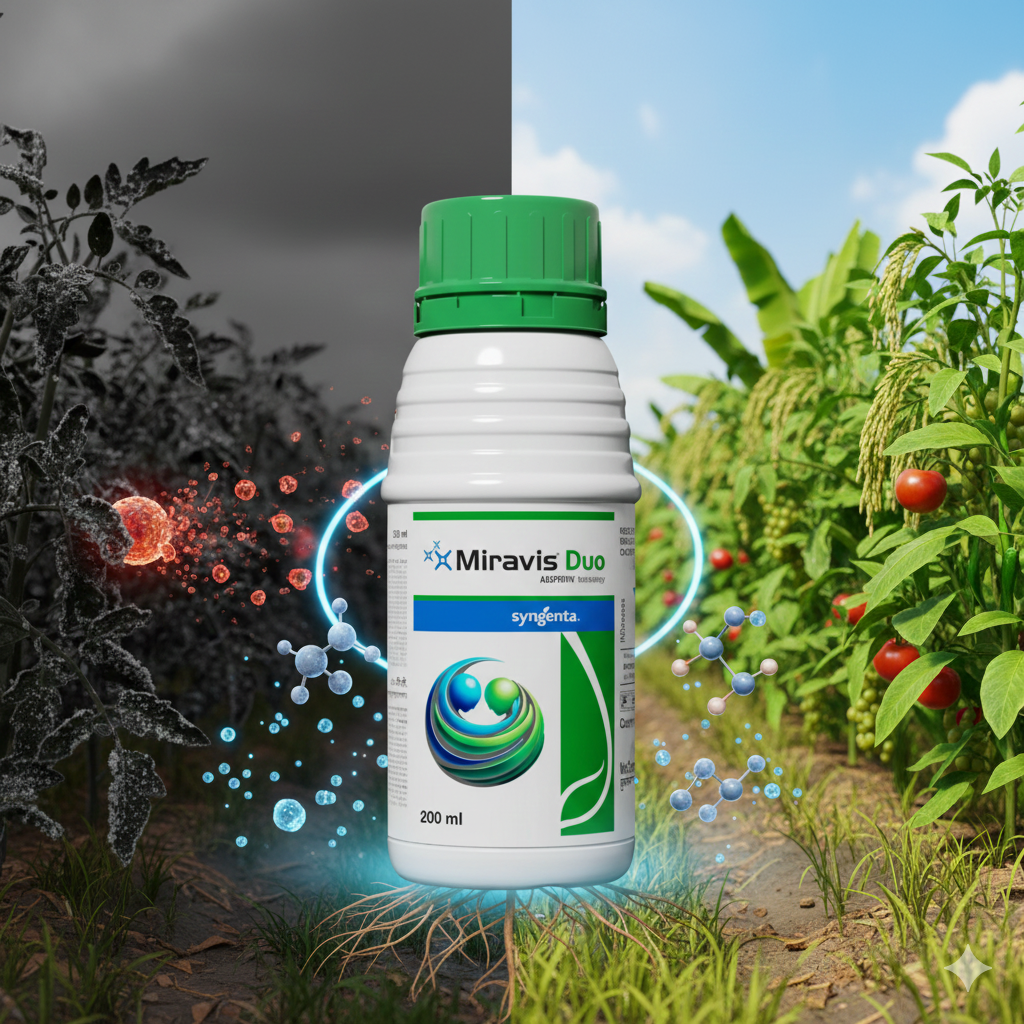
Syngenta Miravis Duo Fungicide

Syngenta Miravis Duo Fungicide – Uses, Benefits, Dose & Disease Control

Introduction Crop diseases caused by fungi are one of the major reasons for yield loss, poor quality produce, and reduced farm profitability. Changing climate patterns, high humidity, intensive cultivation, and repeated use of older fungicides have increased disease pressure and fungicide resistance. To overcome these challenges, modern agriculture requires next-generation fungicides that offer long-lasting, broad-spectrum, […]

Syngenta Miravis Duo Fungicide – Uses, Benefits, Dose & Disease Control Read More »

Dynamic Capital Ltd IPO gets oversubscribed by over five times on Day 20

Lorem ipsum dolor sit amet, consectetur adipisicing elit, sed do eiusmod tempor incididunt ut labore et dolore magna aliqua. Ut enim ad minim veniam, quis nostrud exercitation ullamco laboris nisi ut aliquip ex ea commodo consequat. Duis aute irure dolor in reprehenderit in voluptate velit esse cillum dolore eu fugiat nulla pariatur. Excepteur sint occaecat

Dynamic Capital Ltd IPO gets oversubscribed by over five times on Day 20 Read More »