Insect pests are one of the biggest challenges in agriculture, causing major yield losses and reducing crop quality. Scientific use of insecticides is essential for protecting crops and ensuring healthy plant growth. Modern farming emphasizes research-based, eco-friendly, and integrated pest management practices to control harmful insects while keeping the environment safe.
Types of Insecticides
Insecticides are categorized based on their origin and method of action. The main types include:
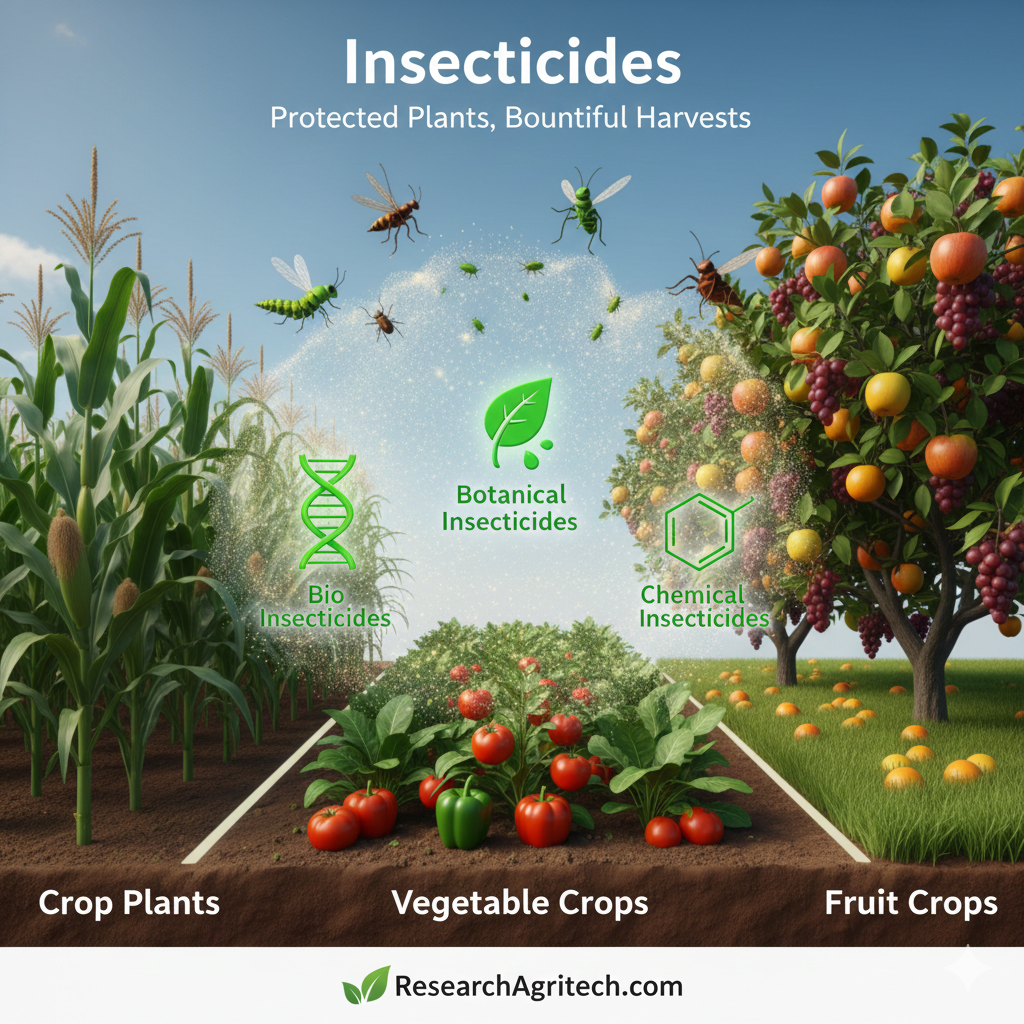
Bio Insecticides – Derived from microorganisms such as bacteria, fungi, and viruses.
Plant Extract (Botanical) Insecticides – Made from natural plant compounds.
Chemical (Synthetic) Insecticides – Man-made compounds for fast and effective control.
Each type has unique applications depending on crop type, pest severity, and environmental conditions.
Control Insect Categories
Different insecticides target specific categories of insect pests:
Important: Use only at recommended doses and rotate insecticides to avoid resistance.
Insecticide Use Benefits
Proper use of insecticides offers several advantages:
Protects crops from yield and quality loss
Enhances plant growth and health
Improves productivity and profitability
Controls pest populations effectively
Ensures stable food production
Common Crop Insects Controlled by Insecticides
🐛 Chewing & Boring Insects
Fall Armyworm (Spodoptera frugiperda)
Tobacco Caterpillar (Spodoptera litura)
Gram Pod Borer (Helicoverpa armigera)
Pink Bollworm (Pectinophora gossypiella)
Shoot & Fruit Borer (Earias vittella)
Rice Stem Borer (Scirpophaga incertulas)
Sugarcane Early Shoot Borer (Chilo infuscatellus)
Leaf Folder (Cnaphalocrocis medinalis)
Cutworm (Agrotis ipsilon)
Armyworm (Mythimna separata)
🦟 Sucking Insects
Aphid (Aphis gossypii)
Whitefly (Bemisia tabaci)
Jassid / Leafhopper (Amrasca biguttula)
Thrips (Thrips tabaci)
Mealybug (Phenacoccus solenopsis)
Scale Insect (Aonidiella aurantii)
Psylla (Diaphorina citri)
Planthopper (Nilaparvata lugens)
Mite (Tetranychus urticae)
Leaf Miner (Liriomyza spp.)
🌾 Soil & Root Insects
Termite (Odontotermes obesus)
White Grub (Holotrichia spp.)
Wireworm (Agriotes spp.)
Root Borer (Emmalocera depressella)
Mole Cricket (Gryllotalpa spp.)
🍅 Fruit, Pod & Stored Crop Pests
Fruit Fly (Bactrocera dorsalis)
Brinjal Shoot & Fruit Borer (Leucinodes orbonalis)
Pod Fly (Melanagromyza obtusa)
Rice Hispa (Dicladispa armigera)
Weevil (Sitophilus oryzae)
🌿 Miscellaneous Harmful Insects
Hessian Fly (Mayetiola destructor)
Diamondback Moth (Plutella xylostella)
Mustard Aphid (Lipaphis erysimi)
Castor Semilooper (Achaea janata)
Coconut Rhinoceros Beetle (Oryctes rhinoceros)
Red Pumpkin Beetle (Aulacophora foveicollis)
Coffee Berry Borer (Hypothenemus hampei)
Tea Mosquito Bug (Helopeltis antonii)
Banana Rhizome Weevil (Cosmopolites sordidus)
Mango Hopper (Idioscopus clypealis)
Beneficial Information for Farmers
Best Practices for Insecticide Use:
Correctly identify the pest before spraying
Follow recommended doses and spray intervals
Rotate insecticides to prevent resistance
Spray during early morning or late evening
Always use protective equipment
Integrated Pest Management (IPM):
Combine chemical, bio, and botanical insecticides
Use cultural practices and mechanical pest control
Encourage natural predators and beneficial insects
Regular field monitoring to prevent infestations
Conclusion
Insecticides are essential tools in modern agriculture when used scientifically. By selecting the right type (bio, botanical, or chemical) and following safe application practices, farmers can protect crops, increase yield, and promote sustainable farming.
ResearchAgritech.com – Science for Research Farming 🌱
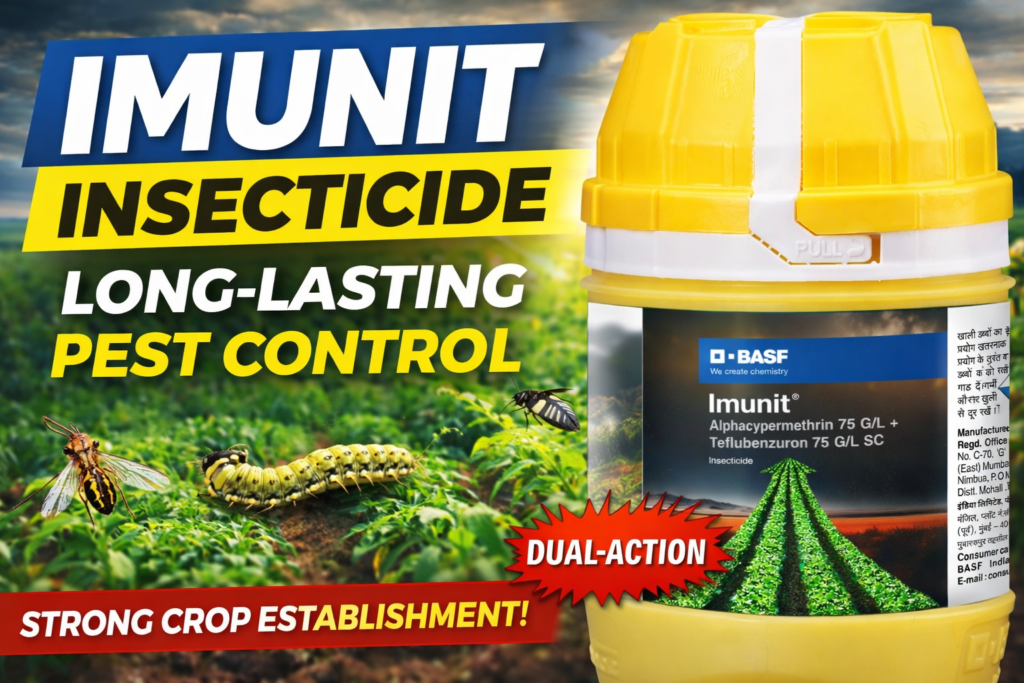
Introduction In modern agriculture, insect pest pressure is becoming more complex and aggressive due to changing climatic conditions, continuous cropping, and resistance development. Farmers today require powerful, reliable, and long-lasting insecticides that not only control pests effectively but also ensure healthy crop establishment from the early stages. BASF, a global leader in agricultural innovation, has […]
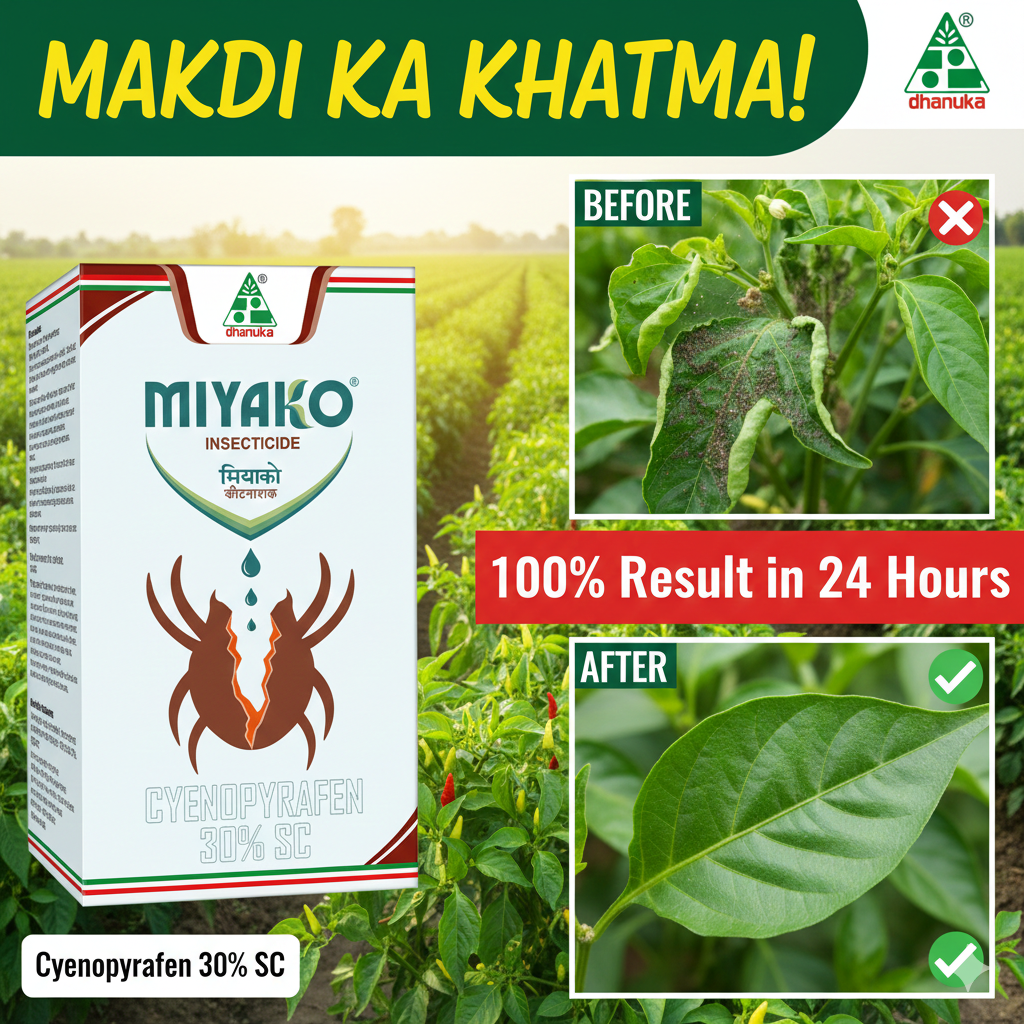
Introduction In modern agriculture, pest pressure is increasing rapidly due to climate change, intensive cropping systems, and rising resistance against conventional pesticides. Among these challenges, mite infestation has emerged as one of the most destructive problems in vegetables, fruits, and ornamental crops. Mites cause severe yield loss, reduce crop quality, and affect the overall market